

When people build a website, the first things they usually think about are—
- What colors should the website use?
- How should the homepage be structured?
- Where should the logo be placed?
- Are the product images attractive enough?
These things obviously matter because they shape the first impression visitors have when they arrive.But many websites do not fail because the design is poor.They fail because when users actually try to access them — the pages load too slowly, the mobile experience feels frustrating, or the website occasionally becomes unavailable.
A beautifully designed website can still lose potential customers if visitors have to wait several seconds before they can even see the content.This is why more businesses and individuals are starting to pay attention to something that was often overlooked in the past:Web Hosting.
For years, website hosting was considered mostly a technical matter — purchasing server space and making sure a website could exist online.But that perception is changing.Web hosting is no longer just about keeping a website available. It now affects website speed, security, search rankings, and even the first impression customers have of a brand.
A successful website does not begin only when visitors click onto a page.Part of that experience has already been determined by the infrastructure running behind it.
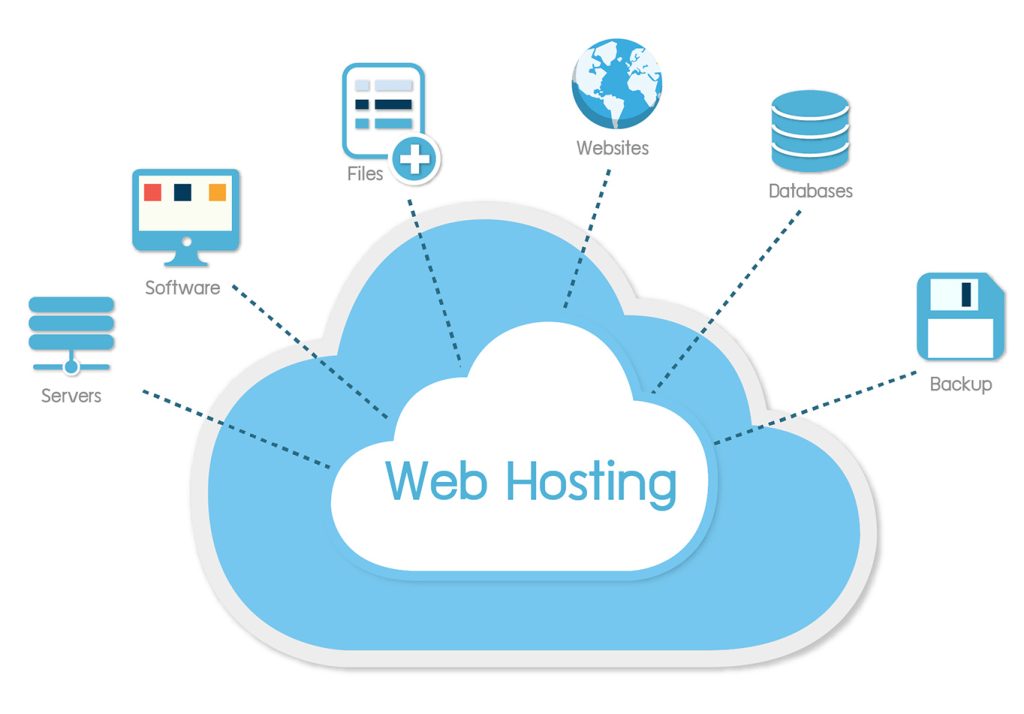
1. A Beautiful Website Means Nothing If Nobody Wants to Wait
Many websites fail for a simple reason:The content is good, but the experience is too slow.
Imagine searching for a product online.You click on a website that looks professional.But the images take forever to appear, the navigation feels delayed, and scrolling on your phone feels uncomfortable.
Most people will not stop to figure out why.They will simply leave and look somewhere else.That is why website speed has become one of the most important parts of modern online competition.
In the past, speed was mostly considered something developers needed to worry about.Today, it directly affects everyday user experience.A fast website makes visitors feel that:
- The brand is more reliable.
- The business is more professional.
- The website is worth trusting.
On the other hand, a slow website can lose opportunities before users even understand what the company offers.This is why many businesses are choosing hosting solutions based on stability and performance instead of simply looking for the lowest price.
For small businesses building their first website, platforms like Hostinger often provide a simpler starting point, allowing users to create and manage websites without needing advanced technical knowledge.
As a website grows and attracts more visitors, platforms that focus more on performance and services may become a better fit.
2. Hosting Is Becoming Part of the Brand Experience
Many people think brand experience only exists in website design, product packaging, or social media content.But the website itself is already part of the brand.Visitors will never see your servers.They will not know what technology powers your website.But they will notice the results.
- Does the page load quickly?
- Does the checkout process work smoothly?
- Can they access their account without problems?
- Can they complete an action without errors?
These small details influence how people judge a brand.
Great web hosting works like the operational system behind a physical store.Customers do not see the management, systems, or processes behind a store.But those foundations directly affect their experience.
Websites work the same way.
A reliable hosting environment helps maintain consistent performance, reduce unexpected downtime, and provide room for future growth.This is especially important for ecommerce websites.
If a website slows down during a major promotion or cannot handle increased traffic, the loss is not just technical issue.It can mean losing real sales opportunities.
3. Security Is No Longer Just a Technical Detail
In the past, website security was often something only technical teams discussed.Today, it has become part of the customer experience.When people visit a website, they want to know:
- Is my information protected?
- Is the payment process secure?
- Can I trust this brand?
As ecommerce, membership platforms, and online services continue to grow, security has become a basic requirement for professional websites.Modern hosting services often include features such as:
- SSL certificate support
- Automatic backups
- Malware protection
- Security updates
These features may never appear on the homepage.But they determine whether a website can operate safely over time.
A truly professional website is not only visually appealing. It also needs to create a sense of security and reliability for users.
This is why more businesses are turning to managed hosting solutions.Instead of handling server maintenance themselves, companies can reduce technical stress and focus more energy on their actual business.
4. Different Websites Need Different Hosting Solutions
There is no single hosting solution that works perfectly for everyone.Different websites have different priorities.
Small Business Websites
For personal brands, small company websites, or simple portfolio pages, the most important factors are:
- Reliable performance
- Easy management
- Reasonable cost
These websites usually do not need complex server configurations and can often begin with simpler hosting plans.
Growing Ecommerce Websites
For websites that sell products online, priorities change.
They need:
- Faster loading speeds
- Better stability
- The ability to handle increased traffic
Because every moment of delay can affect a customer’s decision to purchase.In these situations, cloud hosting solutions often provide more flexibility as businesses expand.
High-Traffic Websites
For news platforms, content websites, or businesses receiving large amounts of traffic, basic hosting may no longer be enough.
They often require:
- Higher server performance
- Better resource management
- More advanced technical support
Choosing the right hosting solution is more important than simply choosing the most expensive option.
5. Choosing Hosting Is About Planning for the Future
When people create their first website, they often only think about the present.But successful websites need to consider what comes next.Today, a website may receive only dozens of visitors.Six months later, it could attract thousands.
If the infrastructure cannot support that growth, rebuilding and migrating later can create unnecessary costs.That is why choosing web hosting should not only be about price.The more important question is whether the hosting solution can grow together with your website.
For beginners, easy-to-use platforms are often a practical starting point.
For established businesses, performance, security, and scalability become much more important.
Platforms like Hostinger are suitable for users who want a simpler way to launch a website, while SiteGround focuses more on reliability and managed website experiences. For users who need more flexible cloud-based resources, solutions like Cloudways can also be worth exploring.

Web Hosting Has Become Digital Infrastructure
In the past, people believed website success mainly depended on design and content.Those things are still important.But today, a website’s ability to deliver value also depends on the infrastructure behind it.Fast, secure, and reliable website experiences have become part of brand competition.
Visitors will not remember your server specifications.But they will remember:
- The website loaded quickly.
- The shopping experience felt smooth.
- The brand felt trustworthy.
That is the real value of modern web hosting.It does not simply keep a website online.It helps websites perform better, reach more people, and support long-term growth.